The Growing Popularity of Marble Jali Design and Sandstone Jali in Modern Architecture
For centuries, stone has shaped Indian architecture, giving buildings character and beauty. Among these elements, stone jali stands out as a timeless and highly valued feature.
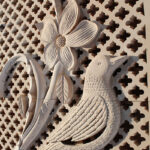
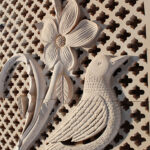
A beautifully carved jali panel does more than decorate a space. It gently filters light, creates airflow, and adds a sense of privacy without completely closing off the environment. This perfect balance between aesthetics and functionality is why jali work remains popular even in modern architecture.
Building on this tradition, stone jali work has a rich cultural and artistic history. Long ago, artisans patiently carved patterns into stone, creating delicate lattice designs. Today, these patterns are used in modern homes, villas, commercial spaces, and spiritual centers.
Architects use jali panels for windows, walls, partitions, balconies, and entrances. This blend of traditional artistry and modern design keeps jali work timeless and versatile.
Craftsmanship that shapes lasting impressions
Every elegant jali panel is made by skilled craftsmen who know the texture, strength, and beauty of natural stone. Carving with precision takes patience, experience, and a good understanding of design.
A reliable stone jali manufacturer ensures each panel is finely detailed, strong, and artistic. When skilled work meets good design, the result is a structure that stays beautiful for years.
The charm of marble patterns
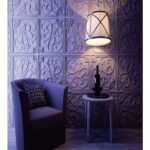
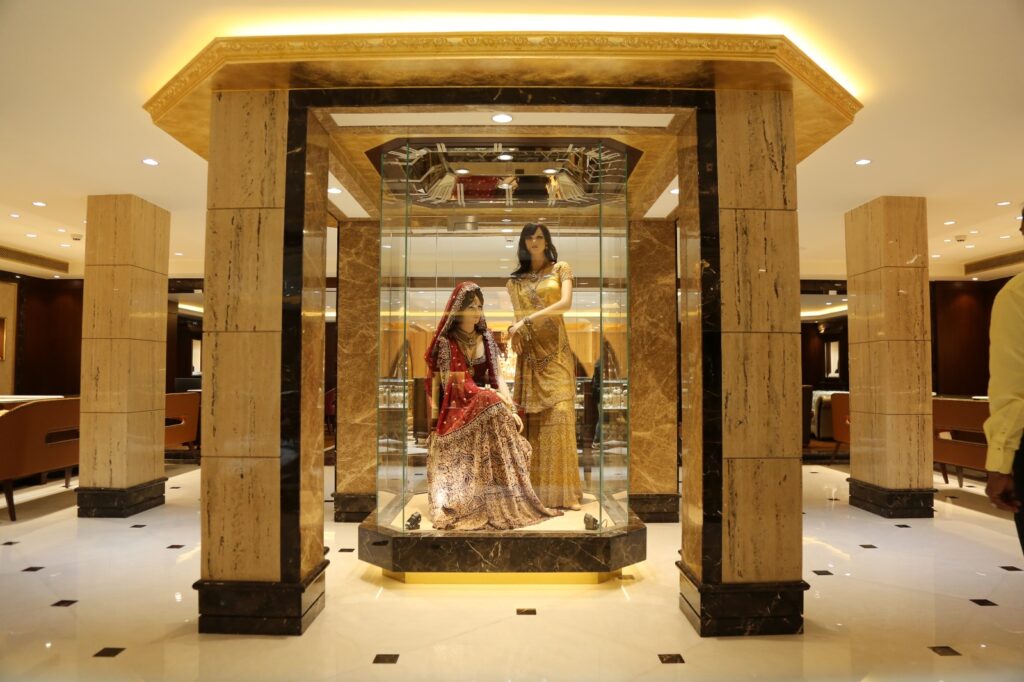
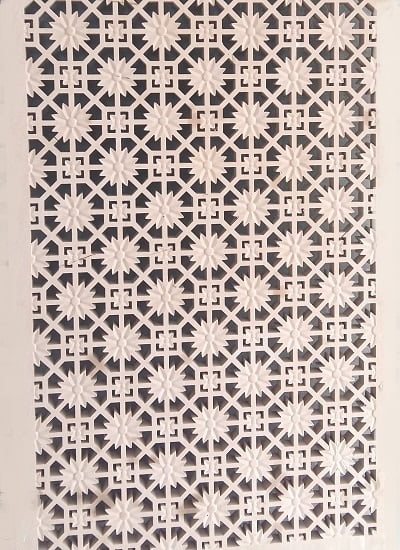
Among various materials used in jali work, marble remains one of the most luxurious choices. Its smooth finish and natural shine make it perfect for decorative architectural elements. Many designers today prefer marble jali designs for interiors and temple spaces because they create a soft, elegant atmosphere. These designs often feature floral patterns, geometric shapes, and traditional motifs. They reflect cultural heritage while still looking modern.
Sandstone and its rustic elegance
Sandstone is another popular material for jali work. Its earthy colors and natural strength add warmth and character to buildings. Many traditional Indian structures feature sandstone jali, which complements both classic and modern styles.
The texture of sandstone allows intricate carving while maintaining structural strength, making it suitable for exterior walls and garden spaces.
Why the stone jali remains a preferred architectural element
Architects and designers continue to choose jali panels for several practical and visual reasons:
- Natural ventilation: The lattice pattern allows air to move easily through the spaces.
- Filtered sunlight: Jali panels soften strong sunlight, creating beautiful shadows.
- Privacy with openness – They separate spaces without fully blocking the view. Stone carvings add cultural richness to any building.
- Durability: Natural stone structures last for generations.
These qualities make jali both decorative and useful.
The beauty of traditional sandstone carvings
In many heritage buildings, you can find intricate sandstone jali patterns that have survived for hundreds of years. Their presence shows how thoughtfully designed stonework can endure changing climates and architectural trends.
Modern designers often draw inspiration from these historic carvings to create contemporary patterns that still carry a traditional soul.
Where tradition meets modern architecture
Today’s architecture often tries to balance modern minimalism with traditional elements. Stone jali panels offer that balance. They add depth, texture, and style to buildings without taking over the design.
From luxury homes to spiritual spaces, jali panels are being rediscovered as a strong design feature.
Crafting elegance with precision
As interest in stonework grows, Kw stone helps keep this traditional craft alive while meeting modern design needs. The focus is on providing carefully carved stone pieces that are strong, elegant, and timeless.
When good materials and skilled craftsmanship come together, architectural details can turn ordinary buildings into inspiring spaces.
A future shaped by tradition
Stone jali panels represent the enduring link between cultural heritage and modern design. Their ability to unite beauty and utility makes them essential in both traditional and modern architecture.
In this changing field, Kw Stone honors tradition while meeting modern design needs. This helps keep the art of stone carving alive for future generations.