What is a Stone Facade? Types, Benefits & Installation Guide
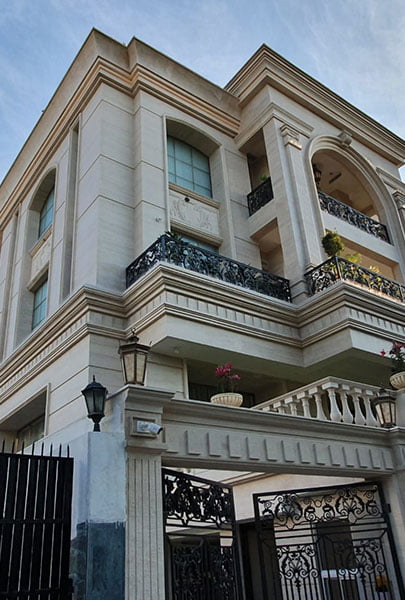
These days, the architectural treatment we can give to any space is through detailing the procedure of materials being worked on and utilized. When it comes to the exterior cladding layer, Stone Facade is applied to the outer face of a building. It serves both the benefits, like a protective barrier against the elements, and, on the other hand, a defining artisan’s expression.
As said, it refers to the external face of any building, specifically the front face or any side that carries architectural treatment in the first case.
- Igneous rocks such as granite and basalt
- Metamorphic rocks such as slate and marble
- Sedimentary rocks such as limestone and sandstone
A Natural Stone Facade, no matter if it is granite, slate, or limestone, is one of the timeless tastes. Further, the color comes from minerals within the stone. This makes it resistant to dye inconsistency, fading, and scratching.
In order to get a clean, refined aesthetic, using a White Stone Facade limestone is highly recommended since the limestone comes in a variety of color from pure whites and beiges to subtle browns. This can be carved and shaped relatively easily. To earn getting premium projects, a Luxury Stone Facade that uses polished granite or marble can raise any commercial or residential space into a statement of fascination.
Key Benefits
Stone facades preserve any building from the elements, thereby improving the resistance to extreme degrees, both hot and cold. Now, natural stone’s full-on benefit is that it is durable and has a low maintenance profile. This means the life cycle cost is lower than human-made materials, which need replacing every or other 10 to 15 years.
Installation Overview
The 3 prime systems are ventilated facades, panel-based systems, and masonry stone walls. Here, the ventilated one creates an open cavity that allows the exchange of air, helping to dry out the stone in case it gets wet.