

Crafting Spaces with Elegance: The Timeless Appeal of Stone Jali
Stone jali is beautiful not just because of the aesthetic beauty but due to the utility in its design. These finely carved perforated screens are centuries old in Indian architecture and art combines with functionality. Splendid palaces to current interiors, stone jalis still cascade wonder with their geometric accuracy, natural charm and cultural sense.
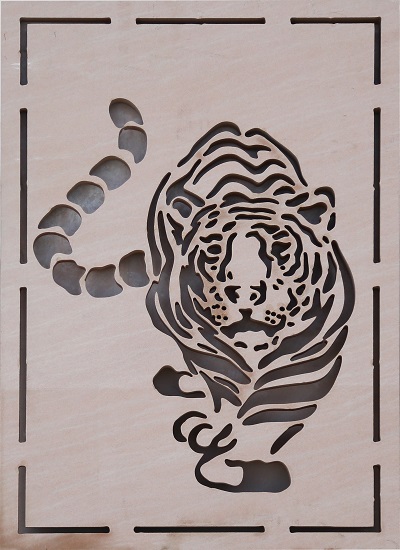 The Cultural and Architectural Legacy of Jali Work
Jali screens were also prevalent in Mughal architecture and Rajasthan architecture. They offered natural ventilation, diffuse lovely lights and provided privacy and beauty with no aesthetic compromises. Modern technology has helped in transforming the traditional work and has allowed finer and more complex designs without compromising the art that existed centuries before.
Aesthetic Versatility of Sand Stone Jali
Sand stone jali is especially popular among designers to introduce the warm earthy texture of sand stone to exterior and interior settings comfortably standing with both traditional and modern designs. The material is also much more durable (its durability is somewhere between natural stone and concrete) and well-suited to outdoor uses (external facades, boundary walls, balconies and garden dividers). It is resistant to being affected by weathering, thus ensuring it is long lasting, and the natural colours of beige, red and brown make it appear rustic and sophisticated. Inside, sandstone jalis can become decorative divider screens or striking accent walls that impart nuanced charm and cultural resonance.
Enhancing Depth and Dimension with Stone 3D Jali
Stone 3d jali panels answer the challenge of modern architecture, which requires introducing an additional level of visual dynamics. The 3D effect of jalis is the opposite of the flat ones as it makes the surface seem sculpture-like creating dramatic effects of shadows and light. They are ideal choices that complete a statement wall, entrance lobby, and deluxe or residential bathroom, and even commercial spaces where a striking initial impression matters. These jalis and their dimensional depth not only adds aesthetics but also communicates best of crafts.
Elegance Redefined with White Marble Jali
White marble jali says nothing about time. Scrupulous & pristine in look, white marble is a timeless favorite utilized in sacred buildings, rich interior design, and architectural setting of history outlook. Natural light is bounced off of these jalis, which suits well those rooms that want to be light and open without losing privacy. The beauty and complexity of models engraved on the surface of the white marble reflect classic flower patterns and contemporary geometric lines in the most sophisticated way imaginable.
Applications Beyond Ornamentation
Jalis are not considered purely ornamental, but rather represent a sustainable, functional option in architecture planning. In tropical regions, they can be used to naturally ventilate outdoor buildings, which can supplement a passive cooling system by reducing the additional requirements of using mechanical ventilation. About the same time, the perforations also give visual privacy without isolating a space. This qualifies them to be used in residential, commercial, religious and landscape applications.
Stone jalis are getting used in the interior design by interior designers and architects installed in lobbies, stairs, window screens, railing panels and even ceiling installations. They provide a sense of intriguing backgrounds in shopping malls/third places, hotels, and museums as well.
Merging Tradition with Technology
Although, nothing can beat the beauty of handcrafted jalis, the introduction of technology such as advanced CNC and waterjet cutting has elevated this art to another level. Today, organizations such as K.W. Stone Technologies are commingling advanced precision tools, even with traditional artisan craft to produce detailed, scalable and repeatable designs tailored to correspond to customized architectural requirements.
Conclusion
Stone jalis are the perfect intertwining of design, utility and tradition. Shaped to create a statuesque appearance or evoking the rustic beauty of sandstone, the luminous beauty of white marble or the sculptural beaty of 3D designs, such panels are capable of transforming any setting. The jali remains its anchor as architecture lives on and redefines itself with a different artistic legacy in the modern new world- one stone at a time.